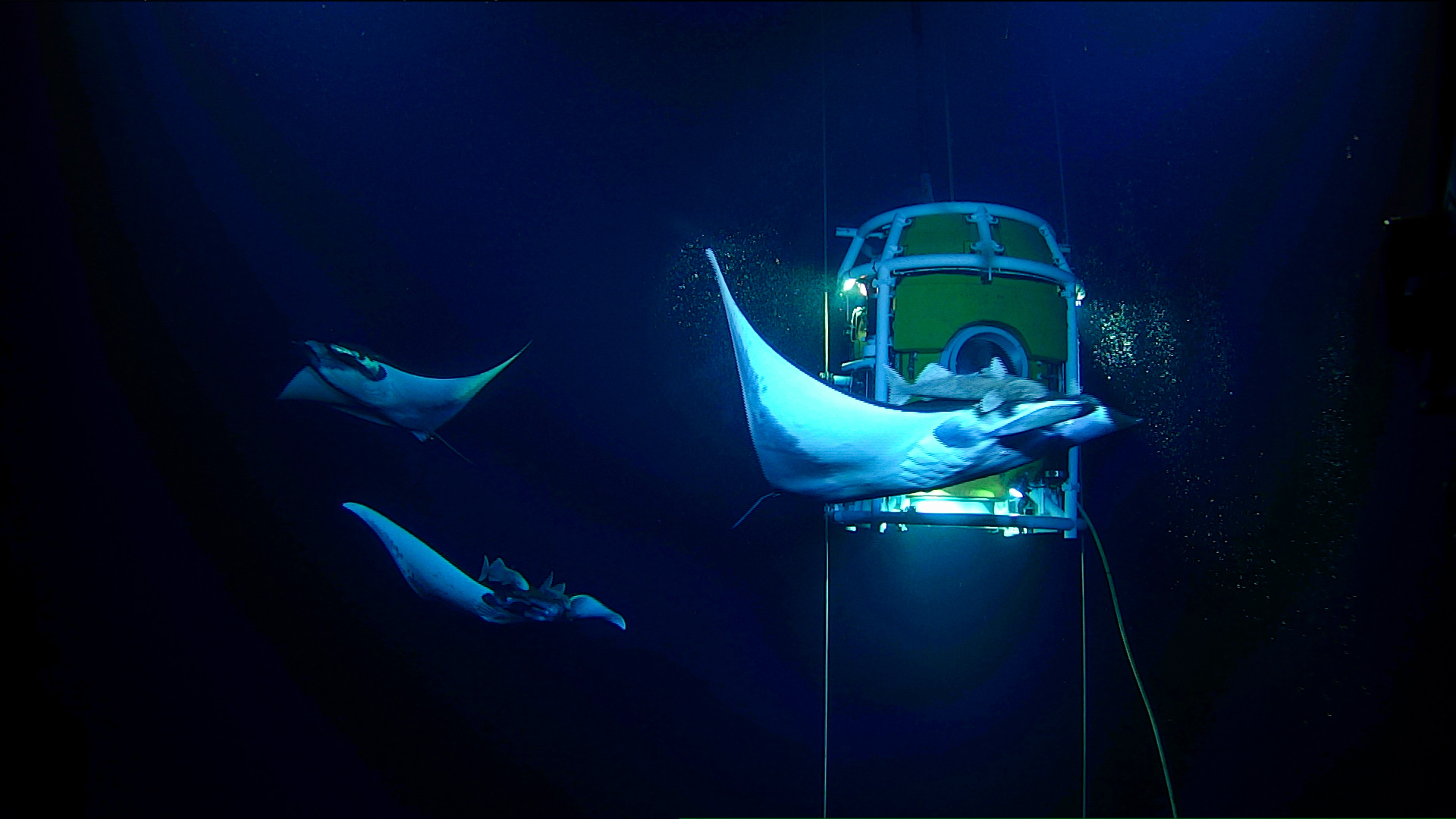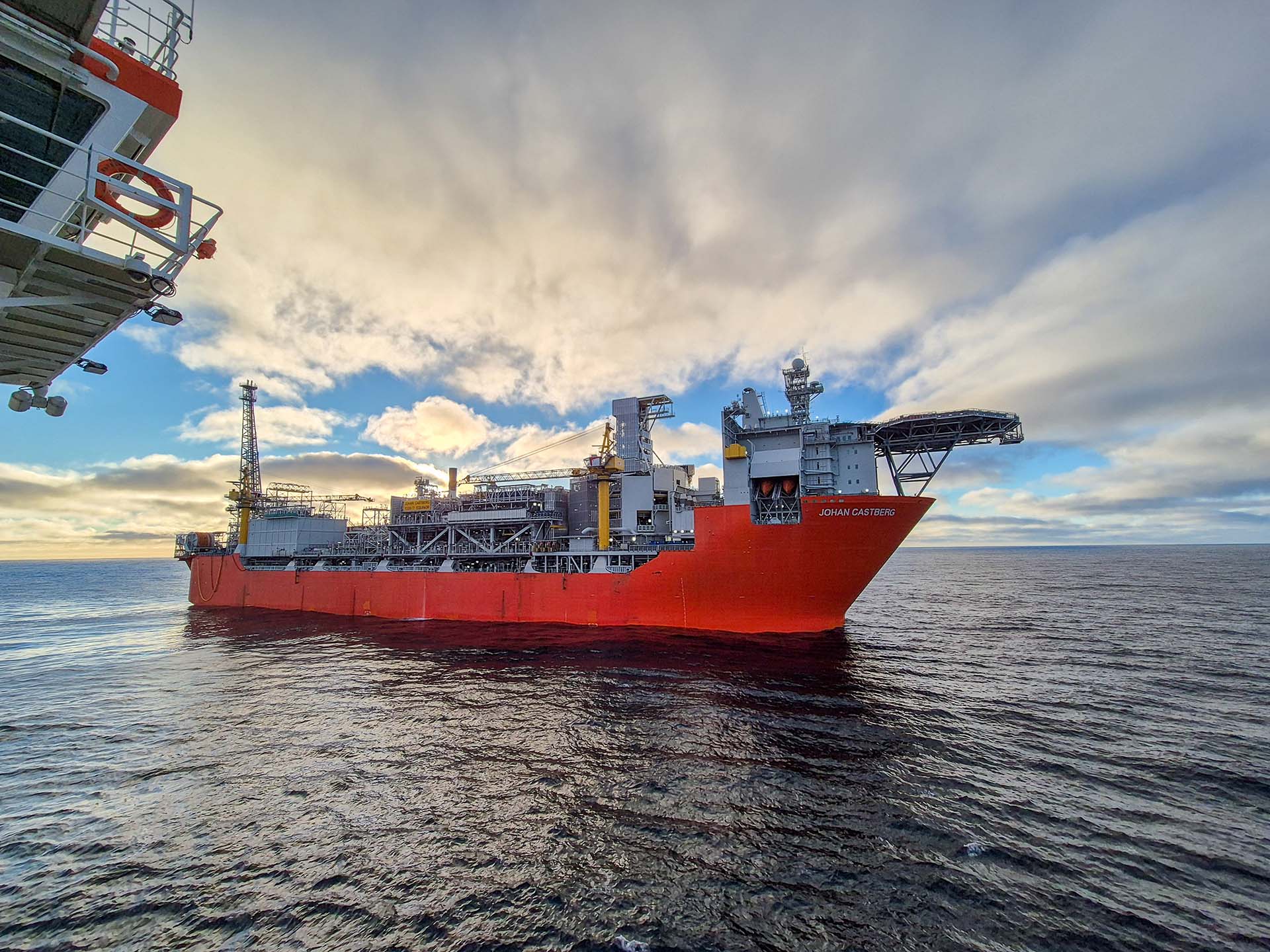
JOHAN CASTBERG - Installing Norway's northernmost oil field
Installing Norway's northernmost oil field over a six year period. Ocean Installer delivered the Barents Sea’s most complex EPCI offshore development. A seamless integration that created long-term value deep in the Arctic Circle, raising the bar together with Equinor.
Project overview
From the initial tender in 2016 to completion of offshore operations in March 2025, Ocean Installer delivered a major subsea development project for the Johan Castberg field in the Barents Sea. Awarded in 2017, the project included multi-year campaigns covering marine operations, subsea installation, mooring, hook-up and commissioning activities associated with Equinor’s Castberg FPSO.
The project represented one of Ocean Installer’s most extensive and technically demanding operations in a remote and harsh environment. Over the course of the project, the team completed approximately 1.3 million man-hours and worked with 12 different vessels across a wide range of marine and subsea activities.
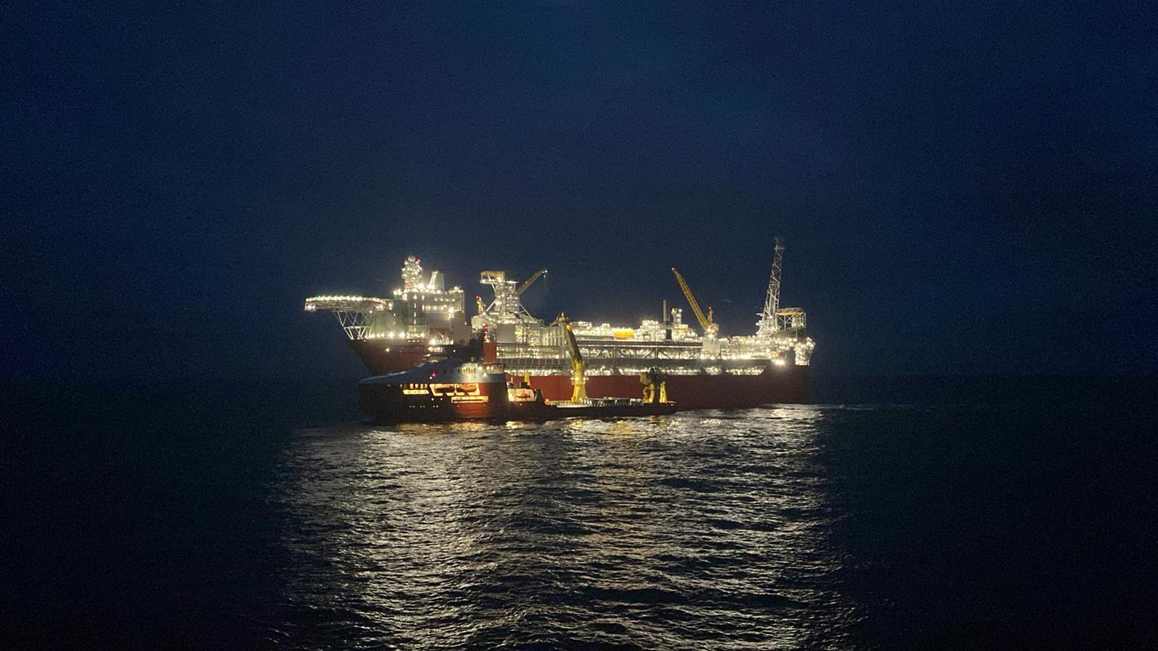
The project culminated in the tow-out and hook-up of the Castberg FPSO in 2025, including the installation of the mooring system and connection of the FPSO to its subsea infrastructure.
Challenges
The Castberg project was executed in one of the most remote and environmentally challenging areas of the Norwegian offshore sector. Working from Hammerfest and offshore in the Barents Sea introduced significant logistical and weather-related challenges, particularly during the winter months.
The location meant that equipment, personnel and services had to be carefully planned and coordinated. While Ocean Installer sought to maximize the use of local resources, available capacity meant that some equipment had to be sourced further south.
The project also coincided with the COVID-19 pandemic, introducing an unforeseen layer of complexity. Travel restrictions, lockdowns and changing requirements had to be managed while maintaining operations both onshore and offshore. The dedication of the project team was critical, with personnel choosing to extend their stays in Hammerfest to maintain continuity during periods of severe restrictions.
Weather windows were another key consideration. The summer months provided the most productive periods offshore, resulting in particularly high levels of activity and requiring careful coordination of multiple vessels and simultaneous marine operations. During major operations, several vessels could be working concurrently, supported by supply vessels and other marine assets.
The project also involved a large and diverse group of contractors, suppliers, vessel crews and personnel from different parts of the world. Maintaining clear communication and a common understanding of the plan was essential, particularly when language differences and complex interfaces added further challenges.
The solution
Strong onshore planning was central to the successful execution of the Castberg project. With activities taking place in a new and remote operating environment, detailed preparation was essential to ensure that equipment, personnel, vessels and marine operations were ready when weather windows opened.
Ocean Installer worked closely with Equinor, contractors, suppliers and vessel crews to coordinate activities and maintain safe execution across multiple interfaces. The project adopted a one-team approach, emphasizing open communication, psychological safety and collaboration across organizational boundaries.
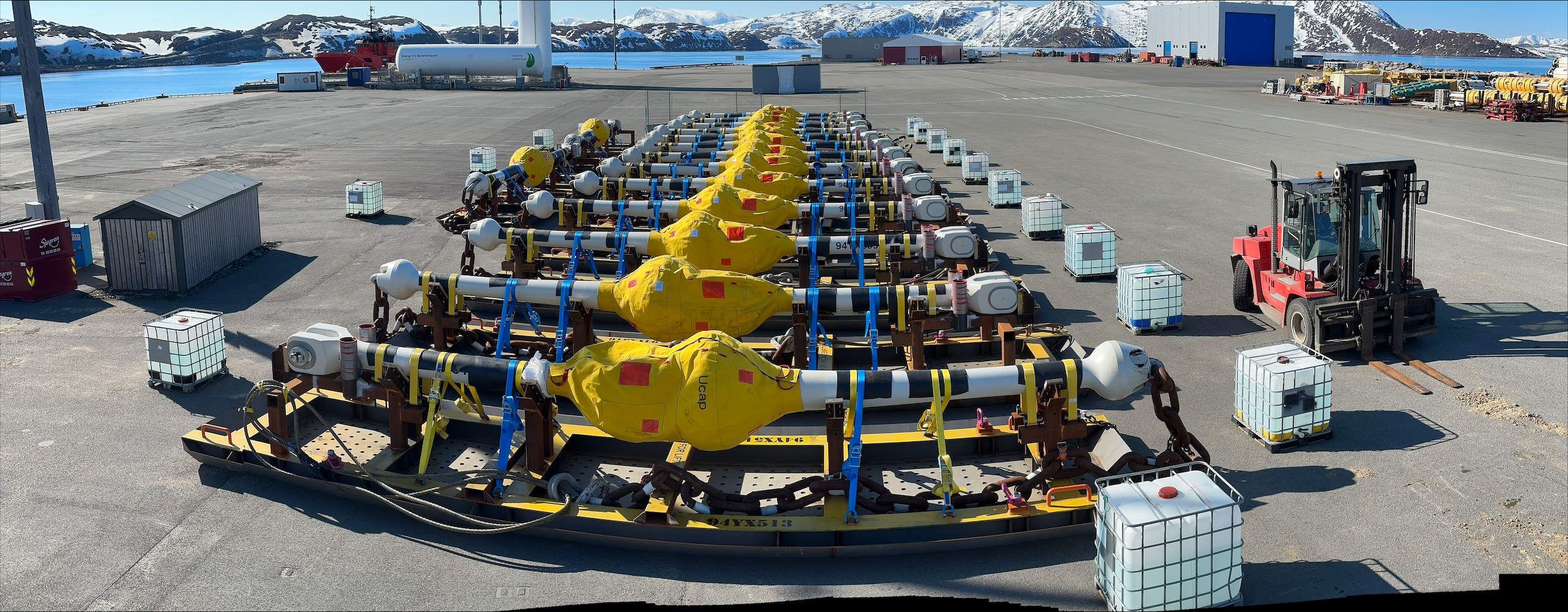
The team also developed and implemented solutions that allowed work to be performed independently of the FPSO critical path. One example was the use of wet storage, enabling structures and equipment to be installed and stored subsea in advance of the FPSO arrival. This allowed work to progress independently and reduced the amount of activity that needed to be completed during the critical hook-up period.
The approach provided greater flexibility when the FPSO delivery schedule changed. Rather than waiting for the FPSO, the team could complete as much of the subsea work as possible ahead of the hook-up campaign, helping to support an efficient path to first production.
The scope also evolved during the project. What was initially focused on hook-up and dewatering expanded to include additional activities, including commissioning-related work. The use of Normand Navigator provided an efficient and stable platform for these activities, allowing Ocean Installer to deliver additional scope while maintaining an effective execution model.
Highlights
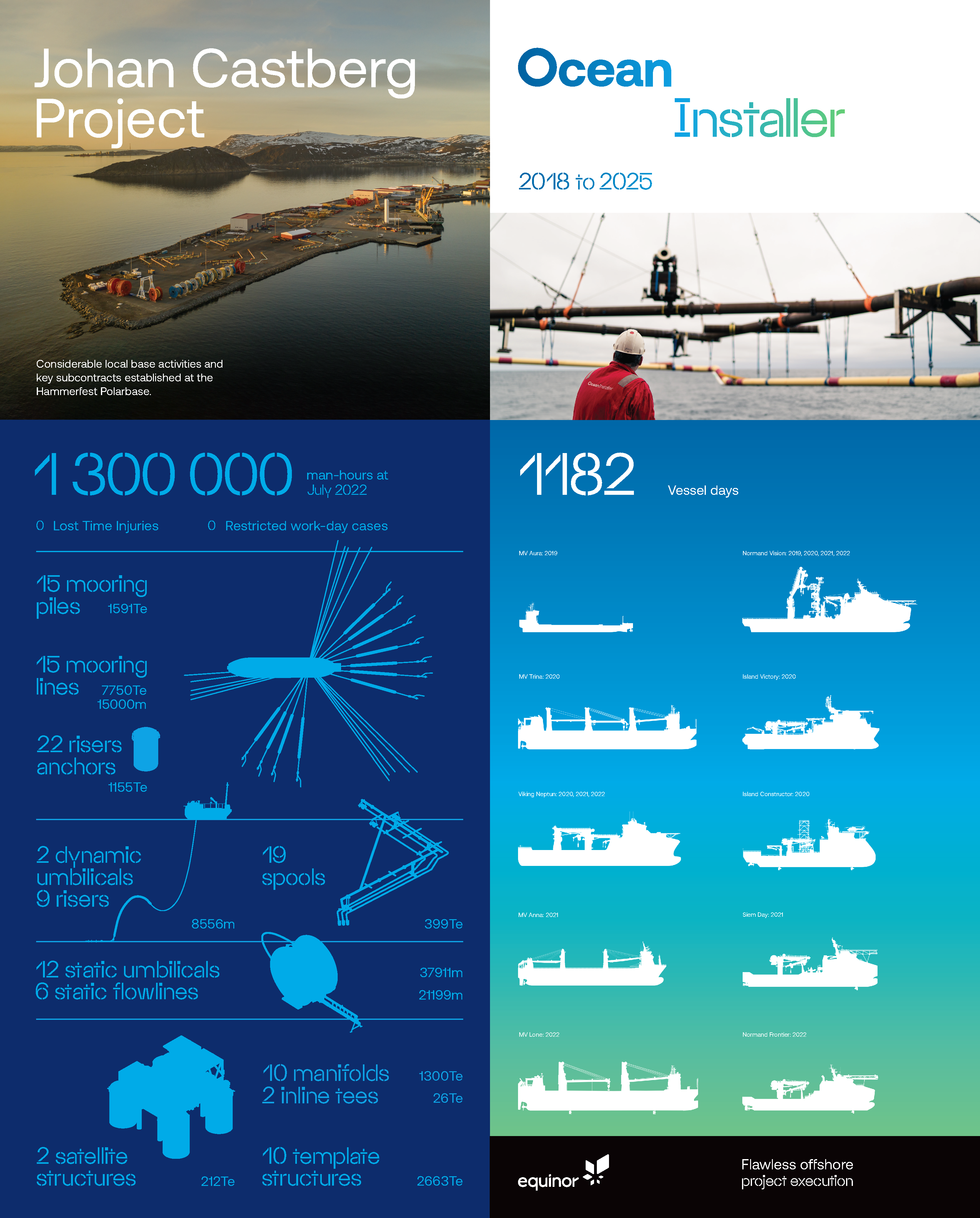
Castberg required Ocean Installer to manage a sustained, high level of activity over several years while operating in a remote environment and adapting to significant changes along the way. The campaign demonstrated the importance of planning, communication and teamwork when multiple marine operations are taking place simultaneously. During the 2025 tow-out and hook-up, three vessels were involved in towing the FPSO while another vessel worked on the mooring hook-up, with supply vessels supporting the operation.
Despite the logistical challenges, harsh weather conditions, COVID-19 restrictions and changes to the project schedule, the team maintained a strong focus on safe execution.
Safety remained a consistent priority throughout the campaign. Beyond operational safety, the project team placed emphasis on the human side of offshore work, particularly during long winter campaigns in northern Norway. Measures such as regular welfare checks recognized the importance of supporting personnel working for extended periods in darkness and challenging conditions.
The project also generated learnings that have since been incorporated into Ocean Installer’s ways of working, including improvements to offshore PPE and operational practices.
Results
The Castberg project was delivered safely and successfully, culminating in the tow-out and hook-up of one of Equinor’s largest assets in Norway and establishing a significant new track record for Ocean Installer in remote and harsh operating environments.
Through detailed planning, close collaboration and the willingness to adopt new execution methods, the team was able to manage a complex and evolving scope while maintaining a strong focus on safety. Wet storage and other execution strategies helped reduce dependency on the FPSO critical path and enabled subsea work to be completed in advance of hook-up.
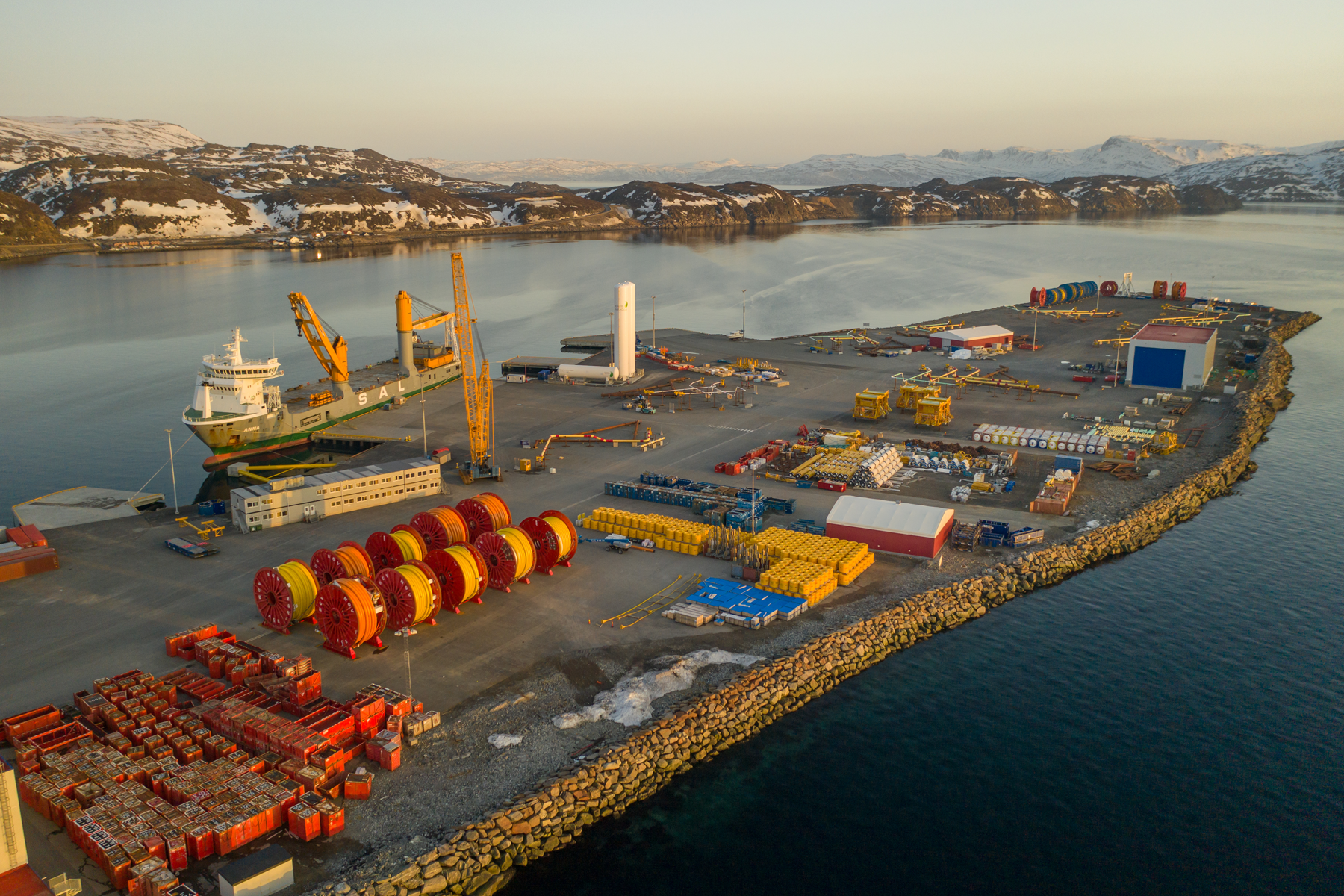
The project created opportunities for local and regional businesses. Ocean Installer utilized suppliers and resources in Hammerfest where possible and extended the supply chain to other parts of northern Norway when additional capacity was required, generating work and experience that could support future projects in the region.
The experience gained on Castberg has become a valuable foundation for Ocean Installer’s work in remote and challenging locations. Following completion, lessons learned were shared internally, with Equinor and with Vår Energi, enabling knowledge from Castberg to be transferred to subsequent projects, including Vår Energi’s Balder Future development.
Today, Ocean Installer is left with a complex, multi-year subsea campaign successfully delivered in one of Norway’s most challenging offshore environments - strengthening their capabilities, supporting local industry and demonstrating what can be achieved when people, planning and technology come together as one team.